FOR CEOS, CFOS, COOS, HR DIRECTORS & BUSINESS OWNERS
Self-Funded Health Plan Consulting for Employers
Lower your company’s health plan costs without cutting the benefits your employees count on. Tim Hawley is a 27-year insurance insider who shows employers where their health care dollars actually go, and builds a long-term strategy to get them back.
Is your health plan working for you, or for everyone else?
Most employers are told the same thing at every renewal: costs went up, and there is no alternative. The health insurance system is built so that carriers, PBMs and middlemen profit from complexity, while the employer paying the bills gets little visibility and less control. If any of these sound familiar, your plan is likely costing more than it should:
- Your renewal increases every year, and no one can clearly explain why
- You have never seen your own claims data
- Your pharmacy costs keep climbing, especially for specialty drugs
- You are not sure how your broker or consultant is paid
- One large claim could wreck your budget
- You suspect you are overpaying, but you don’t know where to start
How Tim helps employers lower health plan costs
- Health plan cost review. A clear, independent look at what you are paying today, where the money goes and where the savings are.
- Self-funding feasibility. An honest answer on whether a self-funded or level-funded plan makes sense for your company, with the risks and cash-flow impact explained in plain English.
- Stop-loss contract strategy. Stop-loss carriers consult Tim on how to word their contracts. He makes sure yours protects you, the plan sponsor, against lasers, coverage gaps and runaway renewals.
- Pharmacy benefit (PBM) transparency. Identify spread pricing and hidden fees, and move toward a transparent PBM arrangement.
- Captive programs for small and mid-size employers. Access the savings of self-funding with the stability of a group of like-minded employers.
- Care navigation and centers of excellence. Steer employees with serious conditions to top-quality care that gets it right the first time, instead of years of repeat costs.
- Fiduciary and compliance support. Working alongside top ERISA attorneys, Tim helps you meet your duties as plan sponsor, including Consolidated Appropriations Act (CAA) requirements.
- A multi-year strategy. A plan that smooths out volatility year after year, not a one-year cheap play that costs you at renewal.
Why a long-term strategy matters
The Rule of 72 shows how fast costs double: divide 72 by your annual increase. At 8% a year, your health plan spend doubles in about nine years. At 12%, it doubles in six. No business can keep growing revenue that fast just to keep up with one line item. Without a strategy, the cost of health insurance isn’t just a budget problem. It’s unsustainable.
How it works
- Discovery call. A 30-minute conversation about your plan, your renewal and your goals. No cost, no obligation.
- Cost review. Tim reviews your current plan, contracts and available data to find where costs are hiding.
- Strategy. You get a clear recommendation, including whether self-funding, a captive or a better-structured contract fits your company.
- Implementation and ongoing management. Tim helps put the plan in place and keeps working it year-round, so savings last.
Why employers work with Tim Hawley
- 27 years inside the insurance industry, focused on group health and Medicare
- Helped build a PBM, an MGU and captives, and helped obtain a CMS contract
- Validation Institute Validated Advisor, held to a fiduciary standard
- Certified Self-Funding Specialist (CSFS) through HCAA, Health-Wealth Certified and a NextGen Benefits Network member
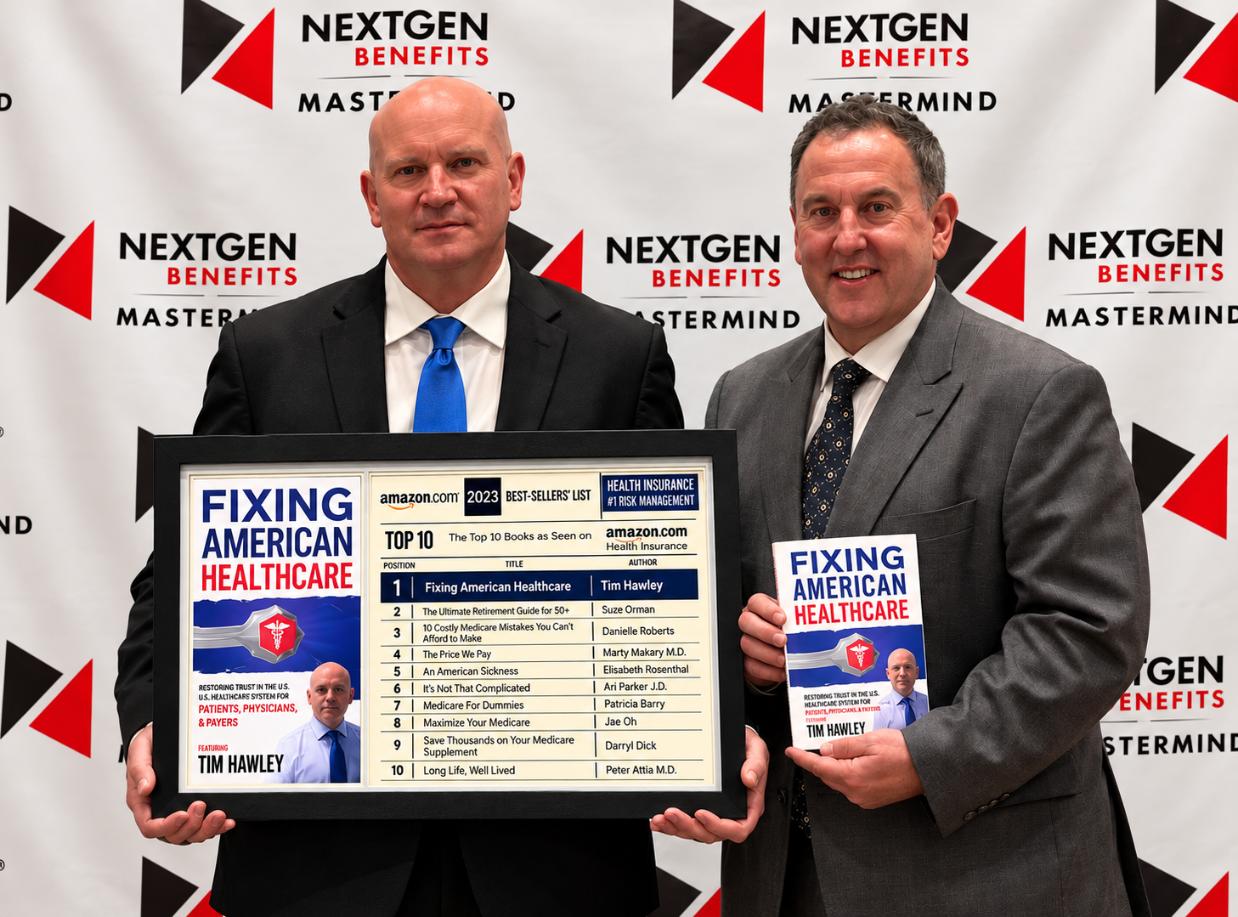
- Featured in Fixing American Healthcare, a #1 Amazon bestseller
Common questions
Is self-funding too risky for my company?
Not when it is structured correctly. A well-written stop-loss contract caps your exposure to large claims, and the right plan design keeps costs predictable. Tim will tell you honestly if self-funding is not the right fit.
How large does my company need to be?
Self-funding and captive programs are now available to many small and mid-size employers, not just large corporations. The right answer depends on your workforce, your claims history and your appetite for risk.
Will my employees notice a difference?
The goal is better benefits, not fewer. Many employers keep or improve their coverage while lowering total cost, and employees often benefit from better access to high-quality care.
Do I have to replace my current broker?
Not necessarily. Tim can work alongside your current advisor or provide an independent second opinion. What matters is that someone on your side of the table is focused on lowering your costs.
Ready to stop overpaying?
If your renewal is coming up, or you simply want to know where you stand, book a 30-minute call. You will get a straight answer about whether your plan is working for you.